
Vacation Rentals: Vacation RentalsBook your vacation rentals here and save 8% with a coupon: PROMO! These luxurious rentals, nestled in the finest resort areas, offer complete furnishing and essential amenities to enhance your stay. Bid farewell to endless emails and phone calls - secure your dream vacation rental now using the convenient search box above.
You are about to initiate on an unforgettable adventure into the heart of Africa, where stunning landscapes and majestic wildlife await your lens. To ensure you capture these breathtaking moments, it’s crucial to equip yourself with the right techniques and gear. From understanding the best times for lighting to selecting the appropriate camera settings for fast-moving animals, every detail matters. This guide will help you maximize your photographic opportunities, turning your safari tour into a portfolio of incredible images you’ll treasure for a lifetime.
Key Takeaways:
- Choose the Right Equipment: Invest in a high-quality DSLR or mirrorless camera with a fast autofocus system, long lenses (200mm or longer), and image stabilization for capturing distant wildlife.
- Utilize Natural Light: The golden hours—early morning and late afternoon—offer the best lighting for landscapes and wildlife, enhancing colors and reducing harsh shadows.
- Practice Composition: Use techniques like the rule of thirds, leading lines, and framing to create more compelling and dynamic photographs of both landscapes and animals.
- Be Patient: Wildlife photography requires a great deal of patience. Take your time and wait for the right moment to capture animals in action or unique interactions.
- Understand Animal Behavior: Familiarize yourself with the behavior of the animals you wish to photograph; knowing their habits greatly increases your chances of capturing stunning shots.
- Bring Extra Batteries and Memory Cards: Safaris can be long, and you don’t want to miss a critical moment due to a dead battery or full memory card—always be prepared with backups.
- Respect the Environment: Maintain a safe distance from wildlife and follow guidelines to ensure both your safety and the well-being of the animals and their habitats.
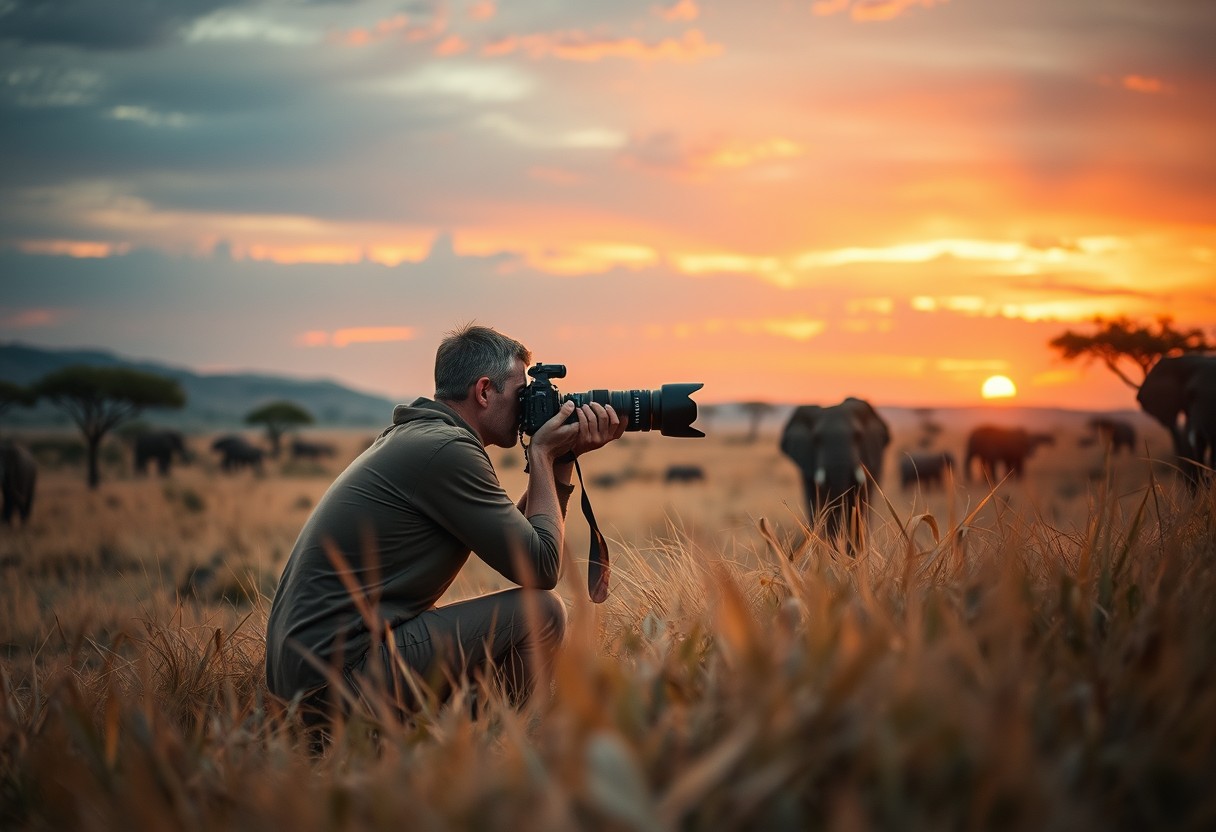
Understanding Safari Photography
Your journey into safari photography will bring exhilarating opportunities to capture the breathtaking landscapes and diverse wildlife of Africa. However, this captivating experience comes with its own unique challenges that you need to be prepared for.
The Unique Challenges of Safari Photography
The vast African landscape presents unpredictable lighting conditions and ever-changing weather, which can make capturing that perfect shot quite challenging. Additionally, wildlife can be elusive, requiring you to be patient and remain alert. You’ll need to be adaptable, as animals may not always behave as expected, and the distance you’ll often find yourself at can make getting the ideal image even more complex.
Key Photography Concepts for Wildlife and Landscapes
Unique photography concepts are crucial in capturing the stunning beauty of both wildlife and landscapes during your safari. Understanding how to effectively use natural light, master the exposure triangle, and develop a keen eye for composition will significantly enhance your photographs.
Wildlife photography often requires you to adapt quickly to your environment. Using a fast shutter speed is important to freeze the action while ISO adjustments can help you manage low-light situations. For landscapes, consider the golden hour for dramatic lighting and experiment with techniques like long exposures. A strong composition using the rule of thirds and leading lines can guide the viewer’s eye, while always keeping an eye out for unexpected wildlife moments enhances your photographic storytelling.
Essential Equipment for Safari Photography
Even the most breathtaking scenery will go unnoticed if you don’t have the right equipment to capture it. Preparing for an African safari tour requires careful consideration of your photography gear, ensuring that you can effectively document the stunning wildlife and landscapes. Below, explore the vital components that will elevate your travel photography experience.
Cameras: Choosing the Right Type
Any camera that allows for manual settings and interchangeable lenses is ideal for safari photography. DSLRs and mirrorless options provide excellent image quality and versatility, while compact models may offer portability. Focus on a camera with reliable autofocus and good low-light performance, as wildlife often appears during early mornings or late afternoons.
Lenses: Best Options for Wildlife and Landscapes
Type of lenses is critical for capturing African landscapes and wildlife. A versatile zoom lens, such as a 24-70mm, works well for landscapes, while a longer lens, like a 100-400mm or 200-600mm, is vital for wildlife photography.
This ensures you can photograph animals from a safe distance without disturbing their natural behavior. For landscapes, consider using wide-angle lenses (e.g., 16-35mm) to encapsulate the vast expanses Africa offers. The right lens can turn an ordinary shot into an extraordinary image.
Tripods and Supports: Ensuring Stability
Lenses require stable support to prevent blurriness, especially during low-light conditions. A sturdy tripod or a monopod will considerably improve your shots of both wildlife and landscapes, particularly during long exposures or while using heavy telephoto lenses.
Essential for reducing camera shake, a quality tripod gives you the added benefit of taking your time to compose the perfect shot. Consider a lightweight option that is easy to carry, ensuring you don’t compromise on stability while navigating the uneven terrains of your safari adventure.
Accessories to Enhance Your Photography
Options for enhancing your photography include filters, extra batteries, and memory cards. A polarizing filter can reduce glare from the sun, enhancing colors and contrasts in your images.
It’s also wise to carry multiple batteries and memory cards to avoid running out of power or space during your safari. Being prepared will help you focus on capturing exquisite moments without the worry of technical failures.
Wildlife Photography Techniques
Now, as you initiate on your African safari, mastering wildlife photography techniques can significantly enhance your experience. Here are some valuable tips to help you capture the stunning creatures that roam the savannahs and lush landscapes.
Composition and Framing for Wildlife
Wildlife photography often benefits from thoughtful composition. Position your subject using the rule of thirds, allowing for empty space in the frame to convey movement or interaction with the environment. Look for natural frames—like trees or grass—to highlight your subject and create visual interest.
Understanding Animal Behavior for Better Shots
Wildlife photography requires an understanding of your subject’s behavior. Each species exhibits distinct patterns, whether hunting, eating, or resting. Recognizing these can help you anticipate moments worth capturing.
This knowledge enhances your ability to frame compelling shots. For instance, noticing a lion’s hunting routine can help you position yourself for the best angle when the action peaks. By observing the herd behavior of elephants, you can capture heartwarming interactions, such as a mother guiding her calf. Understanding these animals’ behaviors not only improves your photography but also enhances the overall safari experience.
Timing and Patience: The Art of Waiting
On your journey, remember that timing and patience are crucial in wildlife photography. Often, the best shots come during the golden hours—early morning or late afternoon—when animals are most active and the light is softer.
Plus, being patient means you’ll be ready for unexpected moments. Many photographers spend hours waiting in a blind or vehicle, watching for an animal to emerge. The anticipation often pays off, with stunning images of animals interacting with their environment—such as a dramatic standoff between predators or a nurturing moment between mothers and their young.
Tracking and Approaching Wildlife Responsibly
Responsibly approaching wildlife is necessary for both your safety and the animals’ well-being. Always maintain a safe distance and respect their space, ensuring you’re not causing stress or disruption.
A key aspect of responsible wildlife photography is to follow local guidelines and stay within designated areas. This means keeping vehicles on designated tracks and refraining from making loud noises. By respecting the animals’ habitat, you not only increase your chances of great shots but also contribute to their preservation, ensuring that future generations can enjoy the incredible sights of the African wilderness.
Landscape Photography Techniques
For stunning landscape photography during your African safari, mastering your techniques can transform ordinary scenes into extraordinary captures. You’ll want to pay attention to the unique light, the composition of your shots, and how you incorporate your surroundings into the frame.
Capturing the African Light: The Golden Hour
One of the best times for landscape photography in Africa is during the golden hour, which occurs shortly after sunrise and before sunset. The soft, warm light enhances colors and creates more dynamic shadows, providing a perfect backdrop for breathtaking images of the landscapes.
Elements of Landscape Composition
Composition plays a critical role in landscape photography. By understanding the rule of thirds, leading lines, and framing, you can create images that are not only visually appealing but also tell a story about the environment you’re experiencing.
Landscape photography thrives on effectively using these compositional elements. By placing key features along the rule of thirds, you draw the viewer’s eye across the image. Leading lines, such as a winding river or trail, guide attention towards the horizon or a focal point, creating a sense of depth and journey within your frame. Additionally, learning to frame your scenes with natural elements can enhance the overall impact of your shot.
Utilizing Foreground and Background for Depth
Capturing a sense of depth in your landscape photos can make your images more inviting and immersive. By including elements in both the foreground and background, you create layers that enhance the feeling of three-dimensionality.
A balanced approach to foreground and background is vital for creating depth in your landscape images. Choosing an interesting object in the foreground—like rocks or grasses—can anchor your composition, while vast backgrounds such as mountains or savannahs offer context and grandeur. This technique helps to guide the viewer’s eye through the image, making it feel more expansive and engaging.
Incorporating Wildlife into Landscape Shots
Techniques for integrating wildlife into your landscape shots can add an exciting dimension to your photography. When you strategically include animals within your landscapes, you can highlight the connection between the wildlife and their natural habitats.
African safaris provide endless opportunities to capture wildlife alongside breathtaking landscapes. Look for moments when animals are framed against iconic backgrounds, such as elephants silhouetted against a setting sun or a lion resting on the plains. This not only emphasizes the wildlife but also showcases the beauty of their environment, making your photographs more impactful and engaging.
Post-Processing Techniques
All wildlife and landscape photos from your African safari can benefit greatly from post-processing. Proper editing not only enhances your images but also allows you to express the beauty you experienced during your travels. Understanding basic editing techniques will elevate your safari photography to new heights.
Basic Editing Techniques for Safari Photos
One of the first steps in post-processing is to adjust the exposure, contrast, and sharpness of your images. Use software like Adobe Lightroom or Photoshop to fine-tune these elements, ensuring that the vibrant wildlife and stunning landscapes are accurately represented. This foundational work sets the stage for more advanced edits.
Color Correction and Enhancing Natural Beauty
Beauty often lies in the details, and color correction can significantly enhance the impact of your safari photography. Start by adjusting the white balance to reflect the true colors of your scene, particularly in landscapes where natural light can vary widely.
For instance, in your wildlife compositions, correcting the colors can breathe life into the imagery, helping to retain the natural vibrancy of the scene. Adjust your saturation and vibrance levels carefully to maintain the authenticity of the moment. This ensures that your animal subjects, from majestic elephants to elusive leopards, are portrayed in their full glory.
Creating Panoramas from Landscape Shots
PostProcessing techniques can also include stitching multiple images together to create stunning panoramas. This technique is particularly effective in capturing the vastness of African landscapes, providing a more immersive experience for viewers.
Correction of perspective and alignment is crucial when creating panoramas. You must ensure each image overlaps correctly and that the horizon remains straight. This meticulous attention to detail results in a seamless, wide-format image that highlights the majestic beauty of the African savannah, giving your audience an awe-inspiring view of the landscape’s grandeur.
Ethical Considerations in Digital Editing
Correction is imperative in maintaining the integrity of your images during the editing process. You should be mindful not to misrepresent the reality of the moment, especially in wildlife photography.
With the rise of digital editing tools, it’s critical to draw a line between enhancement and manipulation. As a photographer, you have the responsibility to ensure that your edits reflect what you witnessed, avoiding alterations that could lead viewers to believe in a disillusioned representation of wildlife encounters or landscapes. Striking this balance fosters respect for both nature and the art of photography while ensuring a trustworthy narrative of your safari experience.

Preparing for Your Safari Photography Adventure
To ensure a successful photography adventure during your African safari, careful preparation is imperative. The right planning can significantly enhance your experience and the quality of your wildlife and landscape captures.
Researching Locations and Wildlife
On your safari, understanding the diverse terrain and wildlife of the region is crucial. Researching potential hotspots for animal sightings and iconic landscapes will allow you to optimize your photography sessions and capture the essence of Africa’s natural beauty.
Packing Your Gear Efficiently
One of the most important aspects of preparation is organizing your photography gear. Consider the weight of your equipment and the limited space you may have. Choose versatile lenses, a reliable camera body, and imperative accessories to ensure you’re ready for any shooting opportunity.
This means being intentional about what you bring along. Aim to pack a lightweight DSLR or mirrorless camera with a couple of zoom lenses for wildlife shots, a tripod for stability, and protective gear such as rain covers. Don’t forget extra batteries and memory cards to avoid missing important moments.
Understanding Local Cultures and Guidelines
Your safari experience will be enhanced by understanding the cultures and guidelines of the local communities. Familiarize yourself with local customs, photography etiquette, and conservation rules to ensure a respectful and enjoyable journey.
It is vital to abide by the regulations set forth by national parks and reserves. Many places have specific photography guidelines aimed at minimizing disturbance to wildlife. Additionally, respecting local customs enhances your interactions and accepts local photographers’ practices for a more enriching experience.
Health and Safety Considerations
Packing the right health and safety items is crucial for a worry-free safari. Bring along any required medications, a first-aid kit, and items like insect repellent and sunscreen to protect yourself against the harsh elements.
With the potential for heat, bites from insects, and exposure to wildlife, it’s imperative to prepare adequately. Consider getting necessary vaccinations and anti-malarial medications as recommended. Staying hydrated during your shoots will also help maintain your energy levels and focus. Your health and safety should always come first on your photographic adventure.
Summing up
Hence, mastering travel photography techniques and selecting the right equipment are crucial for capturing the breathtaking wildlife and landscapes of African safari tours. By understanding your camera settings, utilizing the golden hours for optimal light, and choosing appropriate lenses, you can significantly enhance your photos. Additionally, be mindful of your surroundings to ensure impressive wildlife shots without intruding on their natural behavior. With these tips, your safari experiences will be beautifully documented, allowing you to relive the adventure long after your journey ends.
FAQ
Q: What type of camera is best for capturing wildlife and landscapes during an African safari?
A: Generally, a DSLR or mirrorless camera is recommended for safari photography due to their versatility and image quality. Look for a model with a fast autofocus system and the ability to shoot in burst mode. A camera with a higher frame rate will help capture fast-moving wildlife. Additionally, consider a weather-sealed camera to protect against dust and moisture, which are common in safari environments.
Q: What lens should I use to photograph animals and landscapes?
A: A versatile lens setup is crucial for a successful safari. For wildlife photography, a telephoto lens (200mm to 600mm) is ideal to capture animals from a distance without disturbing them. A good quality zoom lens (24-70mm or 24-105mm) can be used for landscapes and close-up shots. A wide-angle lens (16-35mm) is great for capturing expansive landscapes or dramatic sky scenes.
Q: How can I ensure sharp images while photographing wildlife?
A: To achieve sharp images, use a fast shutter speed, ideally 1/500th of a second or faster, especially for moving animals. Stabilizing your camera with a tripod or using image stabilization features can help. Use continuous autofocus mode to track moving subjects, and ensure your aperture is set to a higher f-stop (like f/8) for greater depth of field, particularly when photographing animals in natural settings.
Q: What time of day is best for capturing wildlife on safari?
A: The best times for wildlife photography are during the golden hours—early morning and late afternoon—when the light is soft and warm. Animals are also more active during these times, making them easier to spot and photograph. Midday light can be harsh, creating strong shadows, so it’s best for landscape shots or to take a break until the light softens again.
Q: How should I handle low-light situations during a safari?
A: In low-light situations, consider using a faster lens (with a lower f-number) to allow more light to enter the camera. Increase the ISO to allow for faster shutter speeds, but be cautious as higher ISOs can introduce noise. You may also want to use image stabilization features and shoot in RAW format to retain as much detail as possible, which can be adjusted in post-processing.
Q: Are there specific settings I should use for wildlife and landscape photography?
A: For wildlife, use Shutter Priority mode to control the shutter speed while the camera adjusts the aperture automatically. Aim for a shutter speed of 1/500 or faster, depending on the subject’s speed. For landscapes, Aperture Priority mode is recommended, allowing you to set a higher f-stop to ensure deeper depth of field for sharp foreground and background elements. Use a tripod for stability to allow for longer exposures when needed.
Q: What accessories should I bring to enhance my safari photography experience?
A: Essential accessories include extra lenses, lens cleaning kits, a sturdy tripod or monopod, and plenty of memory cards and spare batteries. A polarizing filter can enhance colors and reduce glare, which is particularly beneficial for landscape shots. A camera bag that protects your gear while being easy to carry is also important. Additionally, consider a bean bag or a vehicle-mounted stabilizer for wildlife photography from a moving vehicle.