
Vacation Rentals: Vacation RentalsBook your vacation rentals here and save 8% with a coupon: PROMO! These luxurious rentals, nestled in the finest resort areas, offer complete furnishing and essential amenities to enhance your stay. Bid farewell to endless emails and phone calls - secure your dream vacation rental now using the convenient search box above.
This guide will equip you with the vital steps to plan an unforgettable road trip across the diverse landscapes of the USA. From selecting the best routes to crafting your ideal itinerary, you’ll be able to explore the stunning national parks, vibrant cities, and hidden gems that await you. By understanding the challenges of long-distance travel and incorporating practical tips, you’ll enhance your adventure while avoiding common pitfalls. Get ready to hit the open road and create lasting memories!
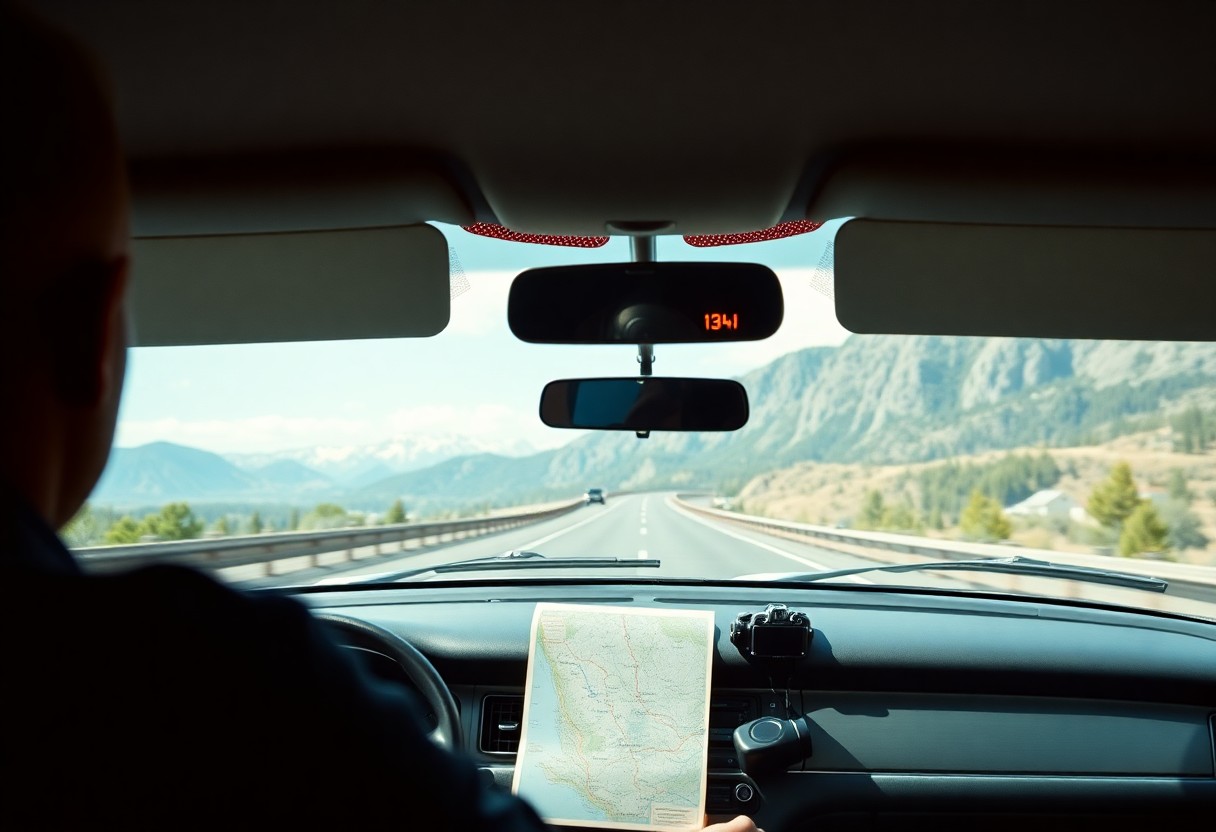
Key Takeaways:
- Choose Your Route: Select scenic and popular routes like Route 66 or the Pacific Coast Highway to enhance your trip experience.
- Plan Your Itinerary: Create a flexible itinerary that includes major attractions and hidden gems along the way.
- Pack Essentials: Ensure you have everything you need, from snacks to emergency supplies, to make your journey comfortable.
- Vehicle Preparation: Check your vehicle’s condition, including tires, oil, and brakes, to avoid potential breakdowns.
- Accommodations: Book accommodations in advance during peak travel seasons to secure the best options.
- Explore Local Culture: Take time to enjoy local cuisine, festivals, and landmarks to enrich your travel experience.
- Safety Tips: Stay informed about weather conditions and road closures, and keep an emergency kit accessible in your vehicle.
How to Choose the Best Routes
The key to planning an unforgettable road trip is choosing the right routes. Start by considering your interests, whether it’s stunning landscapes, historic landmarks, or eclectic roadside attractions. Research the distance between your stops, and assess your comfort level with long drives. Also, factor in the time of year, as some routes may be affected by weather conditions or seasonal closures. Tailoring your route to fit your preferences will enhance your overall experience and ensure an exciting adventure on the road.
Popular Scenic Routes
Popular scenic routes offer breathtaking views and unforgettable experiences. Iconic drives such as the Pacific Coast Highway, Blue Ridge Parkway, and Route 66 capture the essence of the American landscape. As you travel these paths, you will discover stunning vistas, charming towns, and unique attractions that allow you to immerse yourself in the local culture. These routes are ideal for those seeking both adventure and picturesque scenery, providing countless opportunities for memorable stops along the way.
Off-the-Beaten-Path Adventures
An off-the-beaten-path adventure allows you to explore unique roads less traveled, discovering hidden gems along the way. These routes often lead to quaint small towns, stunning natural wonders, and captivating historical sites that you won’t find in guidebooks. Embrace the thrill of venturing into the unknown and uncover experiences that showcase the true essence of your journey.
A great option for those seeking unique experiences is the Scenic Byways system, which connects lesser-known routes to iconic destinations. These roads often provide access to hidden waterfalls, picturesque overlooks, and local eateries that showcase regional cuisine. While some of these adventures may present challenges, such as remote locations and less reliable road conditions, the rewards are often unforgettable. You will encounter stunning scenery and experience the local culture in a way that typical highways may not offer, making it a worthwhile endeavor for any road trip enthusiast.
Essential Tips for Road Trip Planning
It’s important to approach your road trip planning with a structured mindset. Start by considering these tips:
- Set a clear travel budget.
- Choose your route wisely.
- Factor in rest stops to avoid fatigue.
- Make bookings for accommodations in advance.
- Keep an emergency kit in your vehicle.
Thou shall enjoy your adventure with proper preparation.
Budgeting for Your Trip
Even if you have a dream destination in mind, planning your budget is vital for enjoying a stress-free road trip. Outline your costs, including fuel, food, lodging, and entertainment, to avoid any unexpected financial strain. A well-planned budget helps keep your expenses under control and maximizes your travel experience.
Preparing Your Vehicle
If you want a smooth ride, you must ensure your vehicle is in top condition. A thorough inspection involves checking the tires, brakes, and fluids before hitting the road. This can help prevent breakdowns and ensure your safety during long drives.
Trip preparation involves detailed vehicle maintenance to keep you and your loved ones safe on the road. Start with a thorough check of your tires for any wear and tear, ensuring they’re inflated to the manufacturer’s recommended pressure. Inspect the brakes, as they are vital for stopping safely, especially on hilly terrain. Don’t forget to check your oil and other fluids, like coolant and brake fluid, as running low can lead to serious complications. Additionally, keep an eye on your batteries and lights. Taking these precautions can significantly reduce the risk of vehicle-related emergencies during your trip.

Important Factors to Consider
Many factors play a role in ensuring your road trip is both enjoyable and safe. Consider the following key points:
- Route Planning
- Budget
- Travel Companions
- Vehicle Condition
Assume that taking a holistic approach to your planning will enhance your overall road trip experience.
Travel Seasons and Weather
Now, choose your travel seasons wisely, as they greatly influence your experience. Spring and fall typically present ideal weather conditions, allowing you to enjoy the stunning landscapes without the extremes of summer heat or winter chill. Always check weather forecasts and prepare for unexpected changes while on the road.
Accommodation and Rest Stops
To make your journey comfortable, prioritize effective accommodation and planned rest stops. Stopping regularly not only helps you stretch but also allows you to explore new areas along your route.
Accommodation options vary widely, from budget motels to luxurious hotels. Ensure you book ahead, especially during peak travel seasons. Prioritize safety by researching areas before stopping and consider reviews for cleanliness and services offered. Additionally, plan rest stops at well-lit and populated areas to enhance your safety and comfort during long stretches of driving.
Crafting Your Itinerary
Unlike spontaneous trips, crafting your itinerary requires thoughtful planning. Start by identifying key destinations and the time you’ll spend in each location. Balance driving time with opportunities for exploration, ensuring your trip is both enjoyable and manageable. Consider seasonal factors, weather conditions, and local events that might impact your travel experience. The more detailed your itinerary, the smoother your adventure will be.
Creating a Flexible Schedule
With a flexible schedule, you allow for unexpected detours and unique experiences along the way. While it’s important to have a general outline of your road trip, don’t overbook yourself. Leave room for spontaneity—be it a scenic overlook, an intriguing roadside attraction, or an inviting restaurant that catches your eye. Flexibility ensures you fully embrace the journey.
Must-See Attractions
Crafting your itinerary should include must-see attractions that reflect your interests and the diverse beauty of the USA. Your choices might range from natural wonders like Yosemite National Park to iconic landmarks such as Times Square or historical sites like Gettysburg. Prioritize those attractions that resonate with you, but also be conscious of local alerts and traffic conditions that could impact your visit. By doing this, you’ll create a memorable road trip experience while ensuring safe travel through different regions.

Packing Essentials for a Road Trip
Keep your packing list handy to ensure you have everything needed for a comfortable road trip. Start with the basics like clothing that’s appropriate for your destination and weather conditions, toiletries, and any important documents. Don’t forget an emergency kit, a first-aid kit, and comfortable driving shoes to make your journey both safe and enjoyable.
Road Trip Gear
There’s a range of gear that can enhance your road trip experience. Consider investing in a quality navigation system or app, portable chargers for your devices, and a cozy travel pillow. A reusable water bottle, maps, and a good set of playlists or audiobooks can also make your miles fly by. Preparing your vehicle with these imperatives will create a smoother travel experience.
Food and Snacks
Assuming you want to avoid the typical fast-food pit stops, packing food and snacks is vital for your road trip. Think about items that are easy to store and eat while on the go, such as sandwiches, fruits, nuts, and granola bars. It’s advisable to bring along a cooler with ice packs to keep perishables fresh during the drive.
This effort to pack your snacks effectively can save you money and ensure you have healthy options at hand. Focus on items like protein-rich nuts, fresh fruits, and whole grain snacks that can help maintain your energy levels while traveling. Be cautious with items that are highly perishable or messy, as they can lead to unpleasant surprises in your vehicle. Sticking to non-perishable, easy-to-eat options will keep your road trip organized, enjoyable, and your mood lifted.
Safety Tips on the Road
After you have mapped out your dream route, it’s time to ensure safety on the road. Prioritize these necessary safety tips:
- Always buckle your seatbelt.
- Keep a first aid kit in your vehicle.
- Maintain your vehicle regularly and check tire pressure.
- Have a spare tire and tools accessible.
- Stay updated on weather forecasts.
Any precautions you take can make a significant difference in your overall road trip experience.
Emergency Preparedness
There’s no telling when emergencies might arise during your trip, so being prepared is vital. Keep emergency contacts accessible and have a backup plan for roadside assistance. Store important documents like your insurance information and vehicle registration in an easily reachable place. Plan your route, but also know alternative paths to ensure you’re never stuck in a bind.
Driver Safety and Health
Clearly, driver safety and health are necessary components of any road trip. Fatigue can lead to dangerous driving situations, so it’s necessary to take regular breaks and share driving responsibilities with passengers if possible. Staying hydrated and avoiding heavy meals before long stretches of driving will help keep your focus sharp.
For instance, scheduling rest breaks every couple of hours is beneficial in combatting fatigue that can lead to accidents. Stay hydrated by drinking water throughout your journey, and avoid consuming heavy food that may cause drowsiness. Make sure to have a sufficient supply of snacks and break up long periods of driving to stretch your legs. Keeping your mind active and alert is necessary for maintaining focus on the road.
Conclusion
To wrap up, planning your road trip in the USA involves selecting the best routes and itineraries that resonate with your interests, whether it’s scenic byways or historic trails. You should factor in your starting point, preferred destinations, and the experiences you desire. With detailed planning, you can craft an adventure that not only showcases America’s diverse landscapes but also creates lasting memories along the way. Embrace flexibility and always leave room for spontaneous detours that may enhance your journey.
FAQ
Q: What are some of the best routes for a road trip in the USA?
A: Some of the most popular road trip routes include:
– Pacific Coast Highway (California): This scenic drive runs along the Californian coastline with stunning ocean views.
– Route 66: Known as the “Main Street of America,” this historic route stretches from Chicago to Santa Monica.
– The Blue Ridge Parkway: This route offers beautiful views of the Appalachian Mountains, especially during the fall.
– The Great Ocean Road (Maine): A picturesque drive along the coast featuring lighthouses and sandy beaches.
– Utah’s Mighty 5: This tour includes five national parks, providing breathtaking natural landscapes.
Q: How can I create a detailed itinerary for my road trip?
A: To create a solid itinerary, start by deciding the duration of your trip. Research destinations you’d like to visit and prioritize them. Consider factors like travel time between stops, accommodations, and attractions along the route. Use mapping tools to visualize the journey and create a day-by-day plan that balances driving with rest and exploration.
Q: What should I pack for a successful road trip?
A: Packing importants include:
– Clothing suitable for the weather and short hike activities
– Toiletries and personal care items
– Travel guides and maps (physical or digital)
– Snacks and water for the road
– A first aid kit for emergencies
– Chargers and batteries for electronics
– A camera for capturing memories.
Q: What are some tips for staying safe during a road trip?
A: Ensure your vehicle is in good condition before hitting the road. This includes checking tires, brakes, and fluid levels. Plan your route and check the weather forecast regularly. Maintain a spare tire and basic tools in case of emergencies. Always drive at safe speeds and take breaks to avoid fatigue, especially on long stretches.
Q: How do I choose the best time of year for my road trip?
A: The best time for a road trip largely depends on the destinations and activities planned. Spring (March to June) and fall (September to November) typically offer milder weather and fewer crowds. Summer is ideal for mountain or beach destinations, while winter months may provide unique experiences like visiting national parks under snow.
Q: What are the best apps or tools for planning a road trip?
A: Several apps can enhance your road trip experience, such as:
– Google Maps or Waze for navigation
– Roadtrippers to help plan routes and discover attractions
– AllTrails for finding hiking trails
– Yelp or TripAdvisor for local dining and activity recommendations
– GasBuddy to find the cheapest gas prices along your route.
Q: How can I save money during my road trip?
A: To save money while traveling, consider the following tips:
– Prepare meals and pack snacks instead of eating out for every meal.
– Use budgeting apps to track your expenses.
– Look for free or low-cost attractions like parks and historical sites.
– Consider camping or staying in hostels to save on accommodations.
– Use discount cards or coupons for attractions and dining when available.